
Financial Analytics Case Studies: Data,
AI & Machine Learning in Action

Predictive Analytics for Revenue Forecasting
Industry: US Fintech Lending Platform
Challenge
A growing US fintech lending platform relied on spreadsheet-based forecasting and historical reporting to estimate revenue across its lending products. Changes in loan origination volumes, borrower repayment behavior, interest income, and funding costs made it difficult to produce reliable forecasts. Leadership lacked a consolidated view of the factors driving revenue fluctuations, making it challenging to plan capital allocation, set growth targets, and anticipate changes in portfolio performance. The organization needed a scalable forecasting framework that could turn historical and current lending data into actionable financial insights.

Real-Time Fraud Detection Using Streaming Analytics
Industry: US Digital Payments Provider
Challenge
A US-based digital payments provider processed a growing volume of electronic transactions across online purchases, account transfers, and digital payment channels. Its existing fraud monitoring process relied heavily on batch-based analysis, meaning suspicious patterns could take time to surface. Fraud analysts faced challenges identifying unusual transaction behavior, detecting emerging fraud patterns, and prioritizing alerts across large volumes of payment activity. The provider needed a more responsive analytics framework that could identify potentially fraudulent transactions, reduce alert fatigue, and support faster investigation without unnecessarily disrupting legitimate customers.
Credit Risk Modeling for Loan Portfolio Optimization
Industry: US Digital Banking & Consumer Lending
Challenge
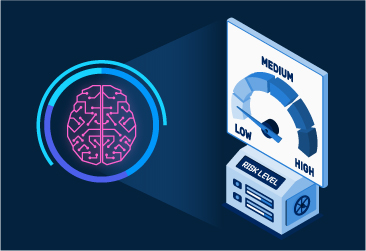
A digital banking and consumer lending institution in the United States needed better visibility into borrower risk across a growing loan portfolio. Traditional credit assessment methods provided limited insight into changing repayment behavior, differences between borrower segments, and emerging portfolio-level risk. Risk teams struggled to combine information from multiple data sources and identify early warning signals that could indicate an increased likelihood of delinquency. The institution needed a robust credit risk modeling framework to improve risk segmentation, support portfolio monitoring, and strengthen lending decisions while maintaining explainability, fairness, and appropriate model governance.

Customer Segmentation for Personalized Financial Products
Industry: US Retail Banking
Challenge
A US retail bank served customers with diverse financial needs, transaction patterns, savings goals, and borrowing requirements. However, its customer analytics relied on broad demographic categories and traditional reporting, making it difficult to identify meaningful behavioral differences across customer groups. Marketing campaigns often lacked relevance, while opportunities to improve product adoption, customer engagement, and retention remained difficult to measure. The bank needed a data-driven customer segmentation approach that could identify distinct financial behavior patterns, improve campaign targeting, and support more personalized product recommendations while respecting customer privacy and applicable data-use requirements.

US Investment Management Firm
Industry: Investment Management Firm
Challenge
An investment management firm operating in the US market needed more reliable visibility into its short-term liquidity position across investment portfolios, cash balances, and anticipated inflows and outflows. Existing liquidity assessments depended on manually consolidated data and periodic reports, limiting the team's ability to evaluate changing market conditions and unexpected redemption requests. Investment and finance teams needed a forecasting framework that could model different market scenarios, identify potential liquidity shortfalls, and provide timely insights to support cash management and risk planning.

Automated Financial Reporting & KPI Analytics
Industry: US Financial Services Enterprise
Challenge
A financial services organization in the United States consolidated financial and operational information from multiple systems to prepare management reports, performance dashboards, and key performance indicator (KPI) summaries. Manual data preparation created repetitive work, inconsistent metric definitions, and delays in producing reliable reports. Finance leaders often had to reconcile conflicting figures before they could assess business performance or respond to emerging trends. The organization needed a governed analytics and reporting framework that could integrate data from approved sources, standardize KPI calculations, automate recurring reporting workflows, and provide leadership with timely, consistent financial intelligence.