

From Data Chaos to Clarity: Why Banks Need a Strong Data Governance Strategy, Effective Data Stewardship, and Reliable Data Lineage Tracking
Discover how a strong Data Governance Strategy, effective Data Stewardship, and reliable Data Lineage Tracking help banks, fintech companies, and financial institutions improve data quality,…

Building a Real-Time Fraud Detection Strategy for Banks: Anomaly Detection in Finance and AML Risk Analytics
Financial fraud is becoming increasingly sophisticated as digital banking, instant payments, online lending, and fintech platforms continue to expand. Traditional fraud detection systems that depend…

How AI Is Transforming Credit Risk Scoring in Banking: Explainable AI, Model Validation Services, and Smarter Lending Decisions
Credit risk assessment is evolving as banks, fintech companies, and financial institutions adopt artificial intelligence and machine learning to make faster, more informed lending decisions.…

How Real-Time Data Streaming, Machine Learning, and Advanced Analytics Are Transforming Fraud Detection for Banks
Financial fraud is becoming faster, more sophisticated, and increasingly difficult to identify through traditional, batch-based monitoring. Banks and financial institutions need to recognize suspicious activity…

From Legacy to Cloud: A Banking Data Modernization Playbook for Smarter, Scalable Financial Data Management
Legacy banking systems often contain years of valuable customer, transaction, risk, and operational data, but outdated architectures can make that information difficult to access, integrate,…

How to Build a Strong Model Risk Framework That Passes SR 11-7 Review: A Practical Guide to Model Validation, Performance Monitoring & Transparency
Financial institutions increasingly depend on machine learning, predictive analytics, AI-driven decision systems, and statistical models to support credit decisions, fraud detection, forecasting, risk management, customer…

Smarter Financial Strategies: How Forecasting, Stress Testing, and Portfolio Analytics Are Redefining Data-Driven Decision Making
Financial institutions need more than historical reports to navigate changing markets, evolving customer behavior, and emerging risks. Modern financial forecasting solutions, financial stress testing, and…

Turning Financial Data Into Trusted Decisions: How Data Quality Management, Model Risk Management, and Model Governance Build Reliable AI
Financial institutions are rapidly adopting predictive analytics, machine learning, and AI to improve risk management, forecasting, fraud detection, and customer intelligence. But advanced models are…
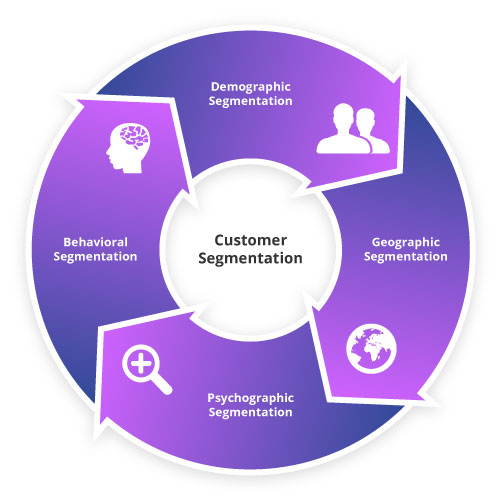
How Customer Segmentation, Personalization Analytics, and Lifetime Value Modeling Create Long-Term Financial Growth
Customer expectations are changing rapidly, particularly across banking, fintech, lending, payments, and other financial services. Customers now expect relevant products, timely communication, seamless digital experiences,…

Modern Data Engineering Strategies for Building Scalable, Reliable, and Analytics-Ready Financial Data Platforms
Financial institutions are generating more data than ever across transactions, customer interactions, risk systems, regulatory platforms, digital channels, and third-party sources. Yet collecting data is…
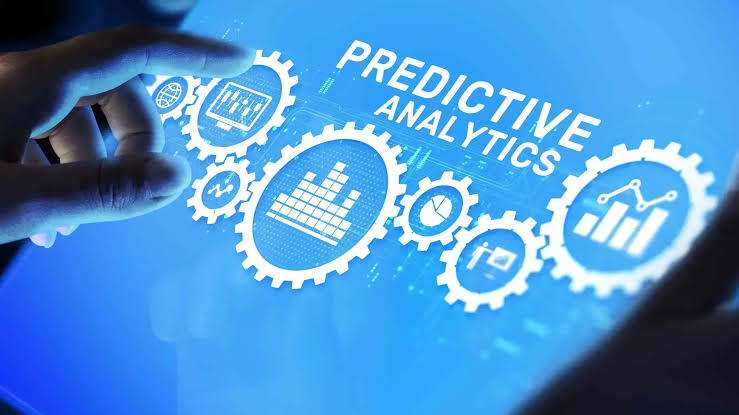
How Predictive Analytics Helps Financial Institutions Forecast Demand, Revenue, and Customer Trends With Greater Precision
Financial institutions operate in an environment where customer expectations, market conditions, risk factors, and revenue opportunities can change rapidly. Traditional reporting can explain what happened,…

AI-Powered Personalization in Financial Services: Turning Customer Data Into Smarter Experiences
The financial services industry is entering a new era of customer personalization. For years, banks, fintech companies, insurers, and investment firms have collected enormous amounts…

Real-Time AI Fraud Detection: How Financial Institutions Are Fighting the Next Generation of Financial Crime
Financial fraud is becoming faster, more sophisticated, and increasingly difficult to detect using traditional rules-based systems. Criminal networks are using artificial intelligence, synthetic identities, automated…

Why 2026 Is the Year Agentic AI Stops Being a Pilot and Starts Running Your Bank
For the past three years, "AI in banking" meant dashboards, chatbots, and recommendation engines — tools that surface information and wait for a human to…

Cloud Data Warehouse for Banks: Snowflake vs. Databricks — Choosing the Right Architecture for Secure, Scalable Financial Intelligence
Banks and financial institutions are handling growing volumes of transactions, customer information, risk data, regulatory records, and real-time market signals. Modern cloud data platforms provide…
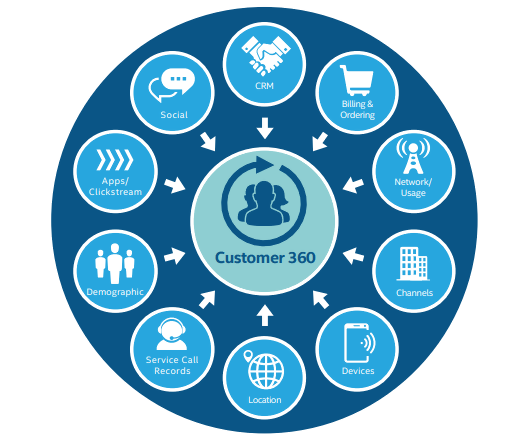
Customer 360 Analytics: How Modern Banks Build a Complete Customer View to Drive Smarter Decisions, Deeper Engagement, and Sustainable Growth
Financial institutions have access to more customer data than ever, but scattered information across banking platforms, transactions, digital channels, and support systems can make it…

ESG Analytics for Financial Institutions: Navigating the 2026 Reporting Landscape with Smarter Governance, Risk Intelligence, and Regulatory Data
As ESG and regulatory expectations continue to evolve in 2026, financial institutions need more than traditional reporting processes to manage complex data effectively. ESG Analytics…

AgentOps in Financial Services: Why AI Agents Need a New Governance Layer in 2026
Artificial intelligence is entering a new stage in financial services. Over the past several years, banks, fintech companies, insurers, and investment firms have experimented with…

From AI Pilots to Production: How Financial Services Are Scaling AI in 2026
Artificial intelligence has been a major investment area for financial institutions for several years, but 2026 is becoming an important turning point. Banks, fintech

How Agentic AI Is Changing Financial Services in 2026
Artificial intelligence has moved far beyond simple chatbots and automated analytics. In 2026, financial institutions are increasingly exploring a new generation of technology known as…

How Synthetic Data Is Transforming AI Innovation in Financial Services
The financial services industry has always relied on data to drive strategic decisions, manage risk, detect fraud, and improve customer experiences. However, as artificial intelligence…

How Agentic AI Is Transforming Financial Services and Enterprise Decision-Making
Artificial Intelligence has evolved rapidly over the past few years, but 2026 has introduced a new phase that is attracting significant attention across the financial…

Why AI Governance Is Becoming the Biggest Competitive Advantage in Financial Services
Artificial Intelligence has moved beyond experimentation. Banks, insurance companies, fintech firms, and investment organizations are now deploying AI across fraud detection, credit scoring, customer service,
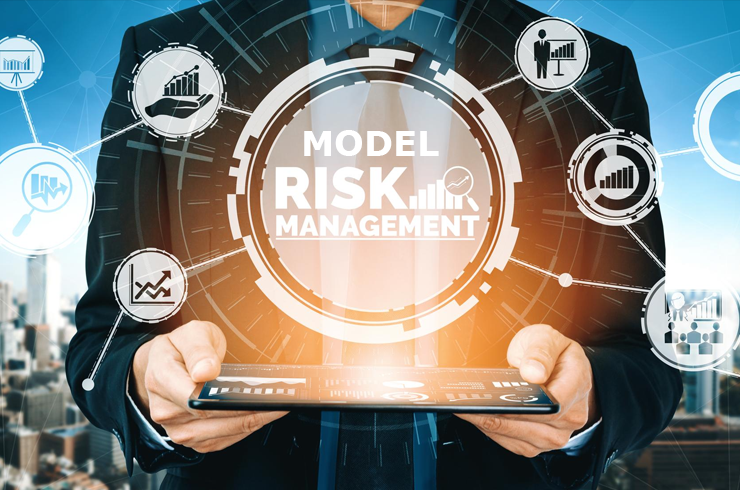
What Is Model Risk Management and Why Banks Can’t Ignore It? Building a Stronger Financial Future with AI Model Governance and Explainable AI Solutions
As financial institutions increasingly rely on artificial intelligence and machine learning for critical decisions, managing model risk has become essential. Model Risk Management, AI Model…
Credit Risk Scoring Models: AI vs Traditional Approaches and the Next Generation of Intelligent Financial Decision-Making
Credit risk assessment is rapidly evolving as financial institutions move from traditional scoring methods toward AI-powered models that deliver faster, more accurate, and data-driven insights.…

BCBS 239 in 2026: What Banks Must Do Differently to Strengthen Data Governance, Regulatory Reporting Analytics, and Enterprise-Wide Compliance
As financial regulations continue to evolve in 2026, BCBS 239 remains a critical framework for banks seeking stronger risk data aggregation and regulatory reporting. Modern…

DORA Is Now in Enforcement Mode: What Banks and Fintechs Must Do Differently with Their Data in 2026
When the Digital Operational Resilience Act came into force on 17 January 2025, most financial institutions were still in implementation
How AI Is Rewriting the Rules of Fraud Detection in Banking — and Why Real-Time Data Is the Deciding Factor
For decades, fraud detection in banking followed a predictable formula: build a set of rules, flag transactions that break them, and send investigators to review…

Intelligent Financial Ecosystems: Leveraging Data Warehousing, Data Lakes, and Scalable Analytics Architecture for Enterprise-Grade Governance and Predictive Excellence
Modern financial institutions are no longer limited by a lack of data—they are challenged by how effectively they can structure, govern, and extract intelligence from…
How Machine Learning Model Development, Cloud Data Migration Services, and Customer Behavior Analytics Are Redefining Financial Strategy
Financial institutions are no longer limited by the volume of data they possess but by how effectively they can transform that data into intelligence. As…